


 Dany
Dany 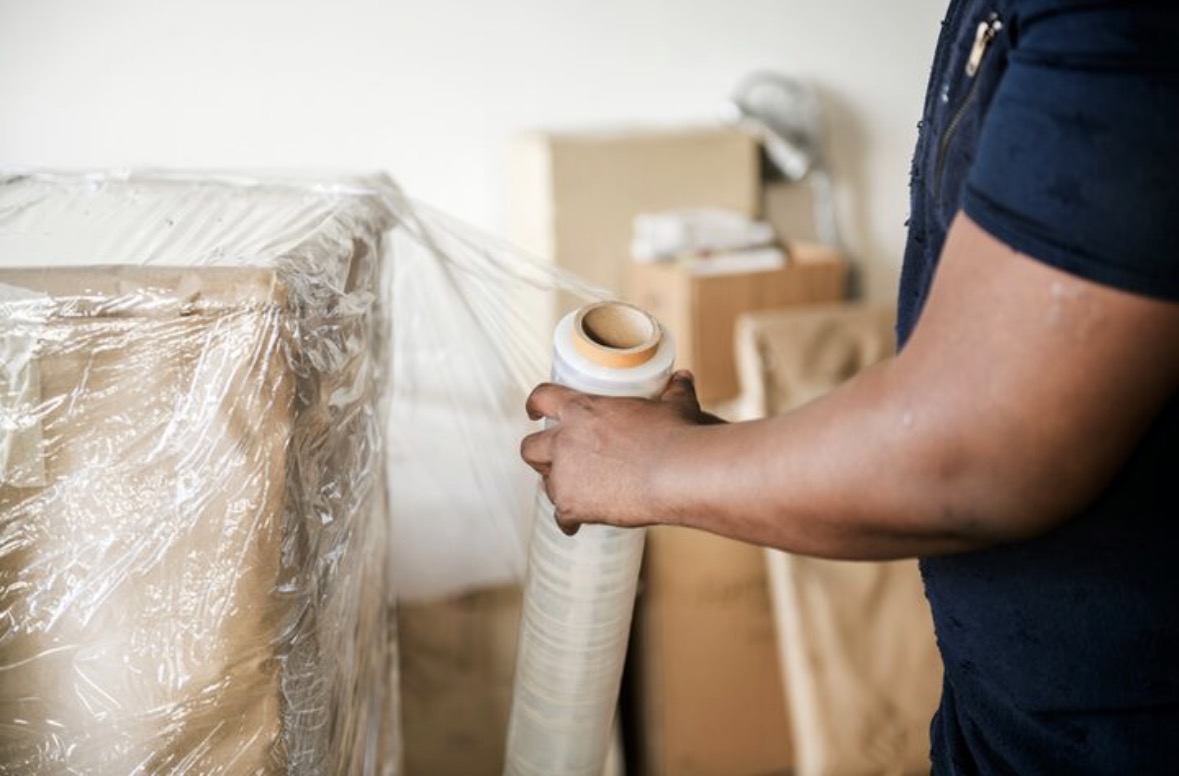
Shipping damage is one of the most expensive and frustrating problems in the furniture industry. A scratched table, a cracked panel, or a dented frame doesn’t just cost money to replace, it also impacts customer trust. Returns increase, reviews drop, and operational costs creep up faster than most teams expect.
A lot of companies try to fix this problem after it happens. They adjust policies, improve customer service, or absorb the losses. But the real solution usually sits earlier in the process, inside the packaging itself. When packaging is designed properly, damage rates drop, and everything downstream becomes easier to manage.
Why Furniture Is So Vulnerable in Transit
Furniture has a few characteristics that make it particularly prone to damage. It’s often large and heavy, which increases the force of impact if dropped. At the same time, many pieces have delicate surfaces or structural weak points.
Corners are a common failure point. So are edges, legs, and any protruding components. Finishes can also be sensitive, especially on wood or painted surfaces.
The problem is not just one type of stress. Furniture experiences drops, compression, vibration, and shifting during transit. Packaging needs to handle all of these at once, not just one or two.
Start With Real-World Data
The best furniture packaging decisions are based on data, not assumptions. If you’re experiencing damage, start by analyzing where and how it happens.
Are damages occurring during parcel delivery or freight shipments? Do they happen more often with certain products? Are specific areas of the product consistently affected?
This kind of analysis helps identify patterns. Once you know where the weaknesses are, you can design packaging to address them directly.
Without data, it’s easy to overcorrect in the wrong areas or miss the root cause entirely.
Reinforce the Right Areas
One of the most effective ways to reduce damage is targeted reinforcement. Instead of adding more material everywhere, focus on the areas that take the most stress.
Corners and edges should always be a priority. These points absorb most impacts during handling. Reinforced corner protectors or molded inserts can make a significant difference.
For items with legs or protruding parts, consider additional supports or separate compartments. These features prevent pressure from building up in vulnerable areas.
Reinforcement doesn’t have to mean heavier packaging. It just needs to be applied strategically.
Improve Internal Stability
Movement inside the package is one of the biggest causes of damage. Even small shifts can lead to scratches, dents, or structural stress over time.
Internal supports are essential. Foam inserts, molded trays, or corrugated dividers can hold components in place and prevent shifting.
The fit should be secure but not overly tight. Too much pressure can damage the product, especially on delicate surfaces.
Think of the packaging as a system that keeps everything locked in position, even when the box is tilted, dropped, or stacked.
Choose the Right Cushioning Materials
Cushioning plays a key role in absorbing shock. Not all materials perform the same way, so it’s important to match the material to the product.
Foam is one of the most common options. It provides consistent cushioning and can be customized for different shapes and sizes.
Corrugated inserts can also be used for lighter items. They’re more sustainable and often more cost-effective, but they may not provide the same level of protection as foam.
The goal is to absorb impact energy before it reaches the product. Choosing the right material depends on weight, fragility, and shipping conditions.
Optimize the Outer Structure
The outer box or container is the first line of defense. It needs to be strong enough to handle compression, stacking, and handling without collapsing.
For heavier furniture, double-wall or triple-wall corrugated packaging is usually necessary. These materials provide greater strength and durability compared to standard boxes.
The design of the box also matters. Proper folding, sealing, and reinforcement can improve performance without adding extra material.
A strong outer structure works together with internal protection to create a complete system.
Address Surface Protection
Surface damage is one of the most common issues in furniture shipping. Scratches and scuffs can happen even when the structure is intact.
Protective wraps, films, and soft liners help shield surfaces from friction and contact. These materials should be chosen carefully to avoid leaving marks or residue.
For high-end finishes, additional layers of protection may be needed. This could include foam sheets or fabric covers.
Surface protection is often overlooked, but it has a big impact on customer perception.
Reduce Empty Space Without Overpacking
Empty space inside a package can lead to movement, but overpacking can create pressure that damages the product.
Finding the right balance is key. The packaging should fit the product closely while leaving room for cushioning materials.
Custom-sized boxes or adjustable inserts can help achieve this balance. They reduce the need for excess filler and improve overall stability.
Efficient packaging also reduces shipping costs, which is an added benefit.
Test Packaging Under Real Conditions
Testing is one of the most important steps in reducing damage. It’s not enough to assume that packaging will perform well, it needs to be proven.
Drop tests simulate impacts during handling. Compression tests evaluate stacking strength. Vibration tests replicate long-distance transport conditions.
Some companies also conduct real-world trials by shipping test units through their normal distribution channels. This can reveal issues that controlled tests might miss.
Testing provides confidence and helps refine designs before full rollout.
Train Your Packing Process
Even the best packaging design can fail if it’s not used correctly. Packing processes need to be consistent and well understood by the team.
Clear instructions, visual guides, and training can help ensure that packaging is assembled and used properly.
Small mistakes, like incorrect placement of inserts or improper sealing, can lead to damage. Consistency is key to maintaining performance.
Work With Experienced Packaging Partners
Reducing damage often requires expertise that goes beyond internal capabilities. Working with experienced packaging suppliers can bring valuable insights.
They can help identify weak points, recommend materials, and design solutions tailored to your products.
A good partner will also support testing and continuous improvement. Packaging is not static, it evolves as products and shipping conditions change.
Balance Cost With Long-Term Savings
Improving packaging usually involves some upfront investment. Better materials, custom designs, and testing all add to the initial cost.
However, the savings from reduced damage can outweigh these costs quickly. Fewer returns, less rework, and improved customer satisfaction all contribute to better overall performance.
It’s important to look at the bigger picture. Packaging is not just a cost center, it’s a way to protect revenue.
Final Thoughts
Reducing furniture shipping damage is not about one single change. It’s about building a packaging system that addresses multiple risks at once.
From reinforcement and cushioning to testing and process control, every element plays a role. When these elements work together, damage rates drop, and operations run more smoothly.
It takes effort to get it right, and there may be some trial and error along the way. But the payoff is clear. Better packaging leads to better outcomes, both for the business and for the customer receiving the product.


