


 Dany
Dany 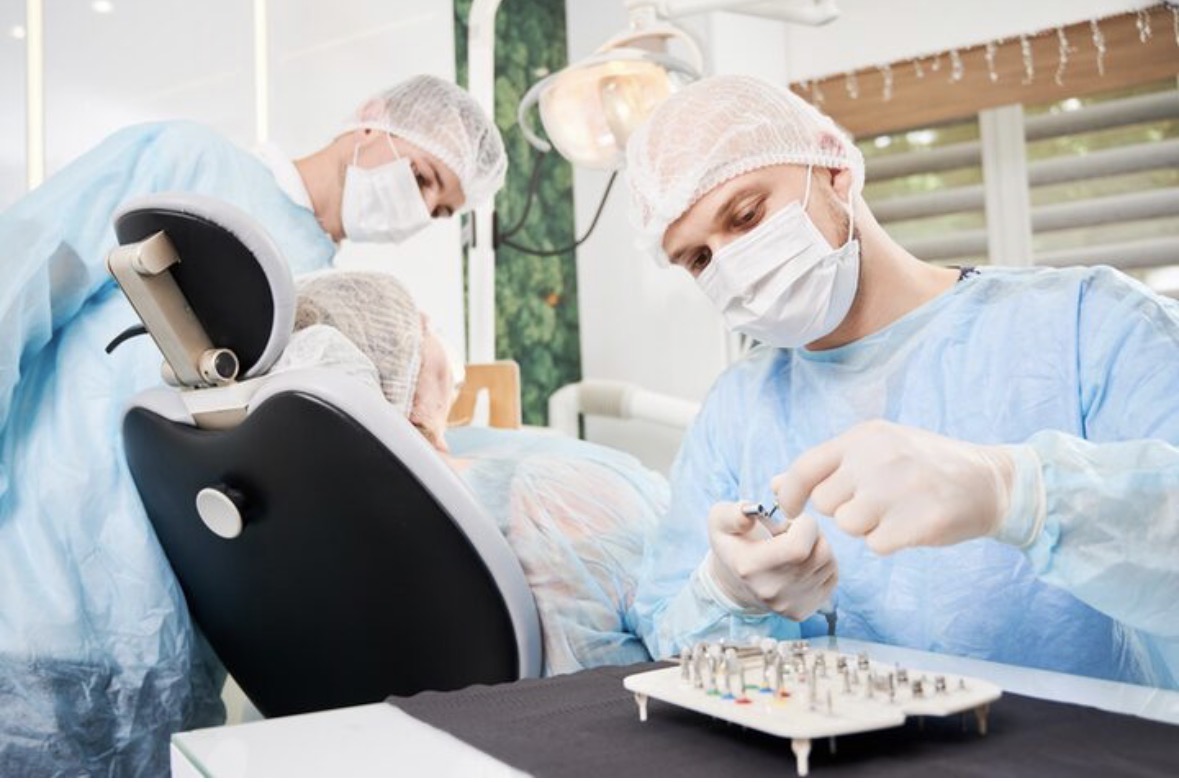
Aesthetic dentistry constantly walks a fine line between conservative treatment and dramatic visual improvement. For decades, correcting severe discoloration, chipping, or minor spacing issues required aggressive alteration of the natural tooth structure. Practitioners heavily relied on full-coverage crowns, which, while durable, demanded the removal of significant healthy enamel. Modern restorative techniques have largely abandoned this heavy-handed approach in favor of highly conservative options that preserve the biological integrity of the tooth while delivering flawless aesthetic results.
At the forefront of this shift are micro-thin ceramic restorations. Facilities prioritizing advanced cosmetic treatments, such as Dentprime, frequently utilize laminate veneers to resolve a wide array of visual imperfections. These ultra-thin shells of custom-crafted porcelain are meticulously bonded to the facial, or front-facing, surfaces of the teeth. Unlike crowns that encase the entire dental structure, this approach strictly targets the visible zone of the smile, requiring only minimal preparation.
The Optical Mechanics of Dental Porcelain
The success of these restorations relies heavily on their ability to mimic organic human enamel. Natural teeth possess a unique property known as translucency; light penetrates the outer enamel layer before reflecting off the opaque dentin beneath. Traditional composite bonding materials often appear flat or overly opaque under direct lighting. High-grade dental porcelain, however, behaves almost identically to biological enamel. Master ceramists in the dental laboratory can manipulate the ceramic to recreate the exact light-scattering properties, subtle surface textures, and color gradients found in a natural smile. Because porcelain is a glass-like material, it also boasts a highly dense, non-porous surface that firmly resists staining from dark liquids like coffee, tea, and red wine.
Identifying the Ideal Candidates
Not every dental imperfection requires profound intervention. Dental professionals typically recommend these specific ceramic shells for patients dealing with intrinsic staining that does not respond to traditional chemical whitening procedures. Tetracycline antibiotic stains or fluorosis are prime examples of deep discoloration that chemical bleaching cannot resolve. Additionally, patients presenting with minor structural flaws such as worn incisal edges, subtle overlapping, or distinct spaces between teeth (diastemas) find this treatment highly effective. By carefully designing the shape and width of the ceramic shells, a dentist can optically close gaps and correct minor misalignments without subjecting the patient to months of orthodontic therapy.
The Preparation and Bonding Protocol
The medical protocol for placing these restorations requires absolute precision. The process generally begins with a conservative preparation phase. To ensure the final restoration does not look overly bulky or cause inflammation at the gumline, the dentist removes a minuscule layer of enamel typically between 0.3 and 0.5 millimeters. This reduction is roughly equivalent to the thickness of an eggshell. Because the preparation rarely reaches the sensitive dentin layer, patients experience very little discomfort, and local anesthesia is sometimes entirely unnecessary.
Following the preparation, the practitioner captures the exact dimensions of the mouth using high-resolution intraoral digital scanners or traditional elastomeric impression materials. While the specialized laboratory mills and layers the final porcelain, the patient wears temporary acrylic restorations to protect the prepared teeth.
The final appointment involves a highly sensitive adhesive protocol. The internal surface of the porcelain shell is treated with hydrofluoric acid to create microscopic retentive pores, followed by an application of a silane coupling agent. Simultaneously, the natural tooth surface is etched with phosphoric acid. A specialized light-cured resin cement then acts as the binding agent between the tooth and the porcelain. Once cured with a high-intensity curing light, the bond formed between the ceramic and the enamel is exceptionally strong, essentially integrating the two structures into a single functional unit.
Ensuring Long-Term Structural Integrity
While the bonded ceramic is incredibly strong, the underlying tooth remains susceptible to natural decay. The longevity of the restoration depends entirely on the patient’s daily oral hygiene habits. Standard maintenance requires diligent brushing with non-abrasive toothpaste and daily flossing to prevent plaque accumulation at the vulnerable junction where the porcelain meets the natural tooth root.
Furthermore, patients who suffer from bruxism the involuntary grinding or clenching of teeth during sleep must wear a custom-fabricated occlusal guard at night. The sheer force generated by the human jaw during a bruxism episode can fracture even the highest-quality dental ceramics. Avoiding the chewing of ice, hard candies, or using the teeth as tools also prevents sudden, catastrophic chipping.
The meticulous application of these thin ceramic shells represents a peak achievement in cosmetic dental science. By fusing advanced materials with conservative tissue management, practitioners can completely reshape a patient’s appearance. The resulting dentition functions seamlessly, offering a durable, stain-resistant upgrade that seamlessly integrates with the natural architecture of the human face.


